Authentic Food Experiences in Sri Lanka
A Culinary Journey Across the Island
Discover the Rich Flavors of Sri Lankan Cuisine
Sri Lanka is a destination that delights all the senses. While the island is famous for its golden beaches, ancient temples, wildlife safaris, and scenic train journeys, its food culture is equally remarkable.
Every region has its own distinctive flavors, cooking techniques, and food traditions. From spicy northern specialties and fresh coastal seafood to village-style cooking and world-renowned Ceylon tea, food is deeply woven into the island's culture.
For travelers seeking authentic experiences, exploring Sri Lanka through its cuisine is one of the most rewarding ways to connect with the country's people, history, and traditions.
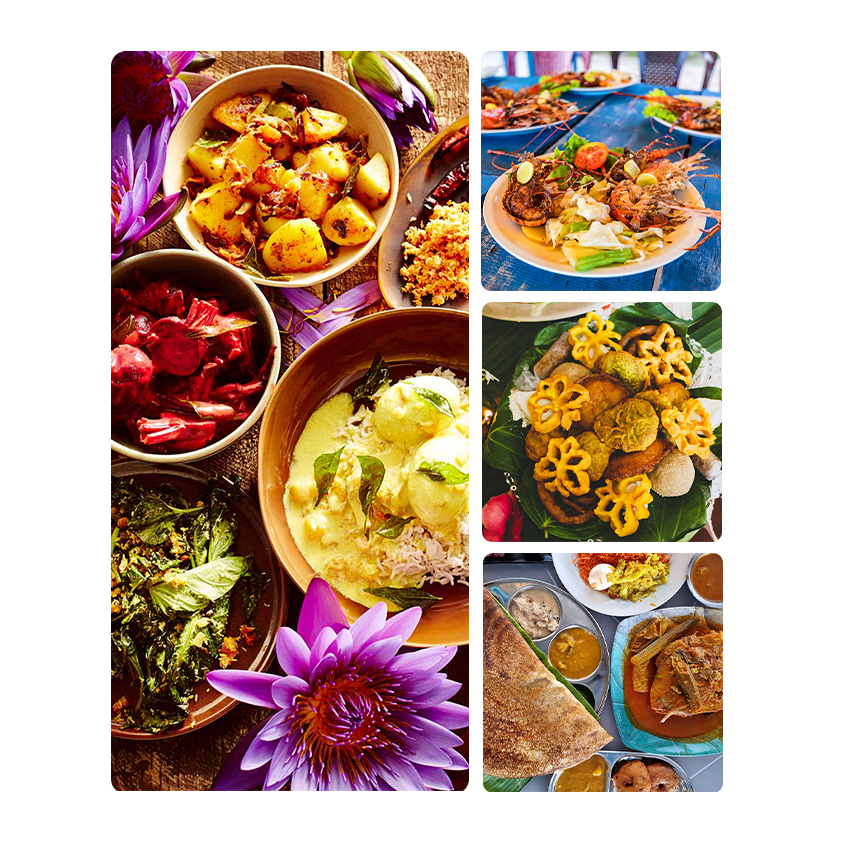
🍚 Traditional Sri Lankan Rice and Curry

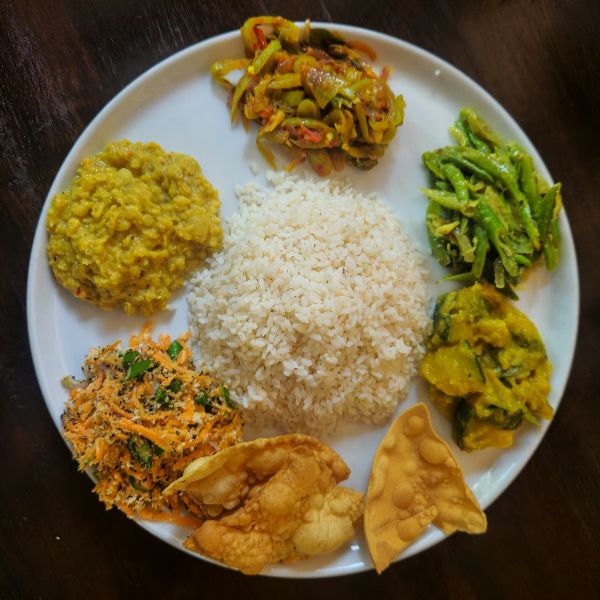
At the heart of Sri Lankan cuisine is the famous rice and curry meal.
Unlike a single curry dish, a traditional Sri Lankan meal consists of fragrant rice served with an assortment of curries, sambols, vegetables, pickles, lentils, and a choice of fish, chicken, or meat. Every household and region prepares rice and curry differently, creating endless variations of flavor and presentation.
Prepared with aromatic spices such as cinnamon, cardamom, curry leaves, mustard seeds, and turmeric, this iconic dish represents the true essence of Sri Lankan cooking.
For many visitors, sharing a traditional rice and curry meal with a local family becomes one of the most memorable experiences of their journey.
🌾 Authentic Village Food Experiences
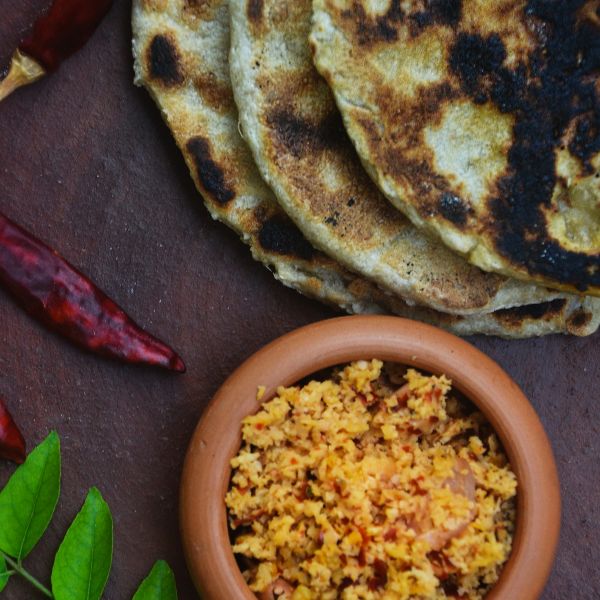
One of the most immersive ways to experience Sri Lankan culture is through traditional village cooking.
Across rural communities, meals are still prepared using time-honored methods passed down through generations. Fresh vegetables are harvested from home gardens, spices are ground by hand, and dishes are cooked over wood-fired stoves using clay pots.
Visitors can experience authentic village lunches served on banana leaves, enjoy freshly prepared curries, and learn about traditional farming and cooking practices that remain an important part of Sri Lankan life.
These experiences offer a genuine connection to the island's heritage and hospitality.
🦐 Coastal Seafood Experiences
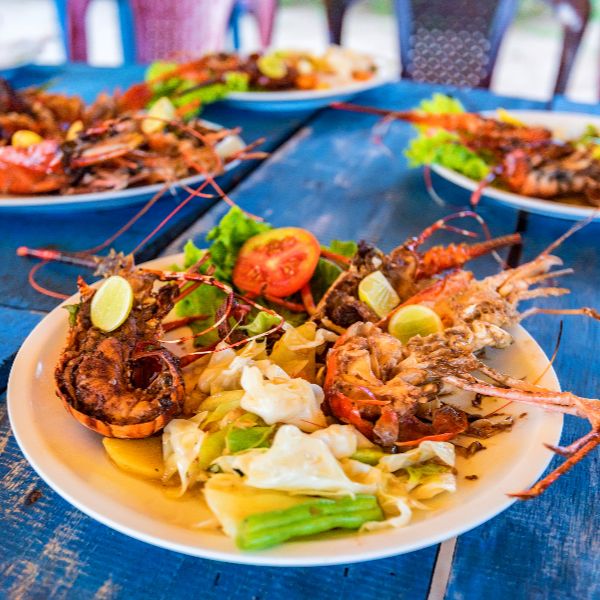
Surrounded by the Indian Ocean, Sri Lanka enjoys access to some of the freshest seafood in Asia.
Along the southern, western, eastern, and northern coastlines, local fishermen bring in daily catches that include tuna, snapper, prawns, crab, lobster, cuttlefish, and reef fish. Coastal cuisine combines these fresh ingredients with coconut, chili, lime, and traditional spices to create dishes bursting with flavor.
Dining at a beachfront restaurant while enjoying freshly grilled seafood and ocean views is one of the highlights of traveling in Sri Lanka.
🌶️ The Bold Flavors of Northern Sri Lanka

Northern Sri Lanka offers one of the island's most distinctive culinary traditions.
Influenced by Tamil culture and generations of local cooking expertise, northern cuisine is known for its rich spices, intense flavors, and unique recipes. Traditional dishes often feature roasted spice blends, coconut, seafood, and locally grown ingredients.
The region is particularly famous for its flavorful curries and authentic home-style cooking, offering visitors a completely different taste of Sri Lanka compared to the southern and central regions.
🌴 Eastern Sri Lanka's Diverse Food Culture
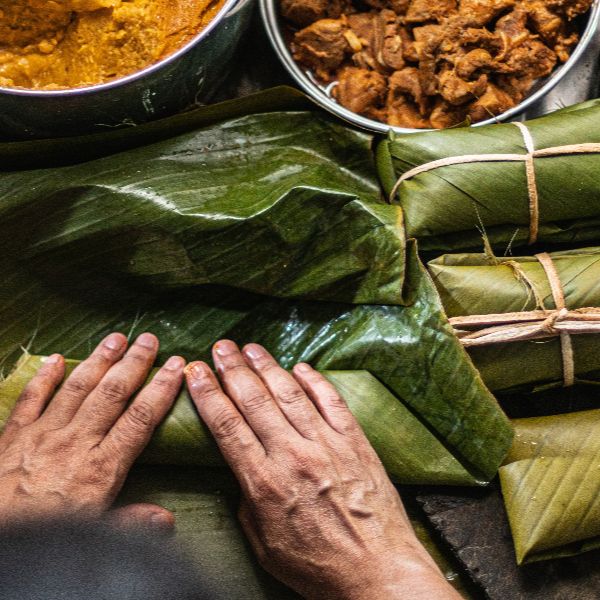
The eastern coast showcases a fascinating blend of Tamil, Muslim, and Sinhalese culinary traditions.
Food here reflects centuries of cultural exchange, creating a unique regional cuisine filled with fragrant rice dishes, coconut-based curries, seafood specialties, and traditional family recipes.
The warm hospitality of the region adds to the experience, making every meal a celebration of local culture and community.
🍜 Sri Lankan Street Food Adventures
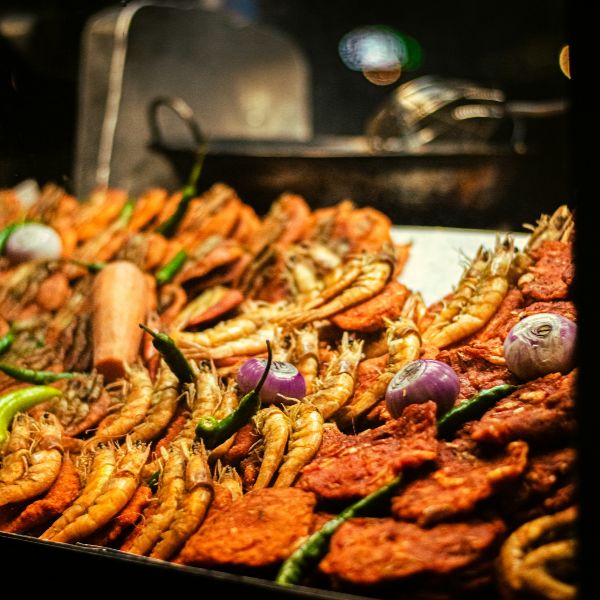
For travelers looking to experience everyday life in Sri Lanka, the island's street food scene is a must.
Popular local favorites include:
Street food stalls, local bakeries, and small family-run eateries provide affordable and delicious opportunities to sample authentic Sri Lankan flavors.
Watching a chef prepare Kottu Roti on a hot griddle while creating its famous rhythmic chopping sounds is an experience visitors rarely forget.
🍵 The World of Ceylon Tea
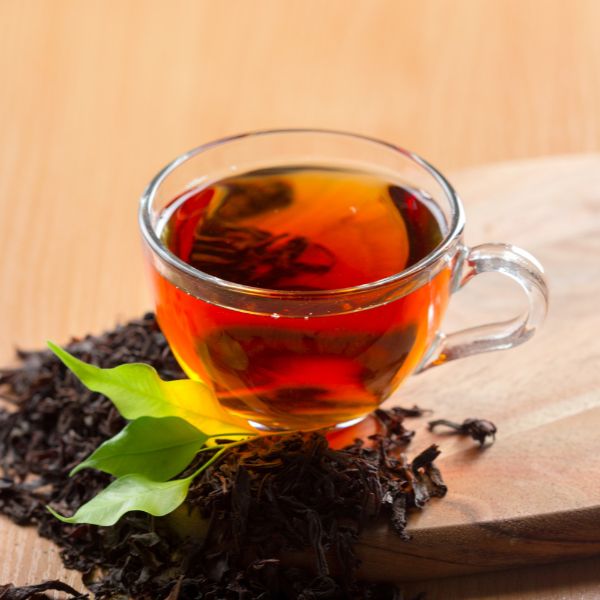
No culinary journey through Sri Lanka would be complete without experiencing its world-famous Ceylon Tea.
The cool mountain regions of the island are home to some of the finest tea estates in the world. Visitors can explore tea plantations, visit historic factories, learn about tea production, and enjoy freshly brewed tea while overlooking breathtaking mountain landscapes.
Tea is not simply a beverage in Sri Lanka—it is an important part of the country's identity, economy, and cultural heritage.
🍍 Tropical Fruits and Fresh Produce

Sri Lanka's tropical climate produces an incredible variety of fresh fruits throughout the year.
Visitors can enjoy sweet mangoes, pineapples, papayas, bananas, rambutan, mangosteen, jackfruit, wood apple, and many other seasonal delights.
Fresh fruit juices, roadside fruit stalls, and local markets offer travelers the chance to taste some of the freshest produce available anywhere in the world.
🍮 Traditional Sri Lankan Sweets and Desserts
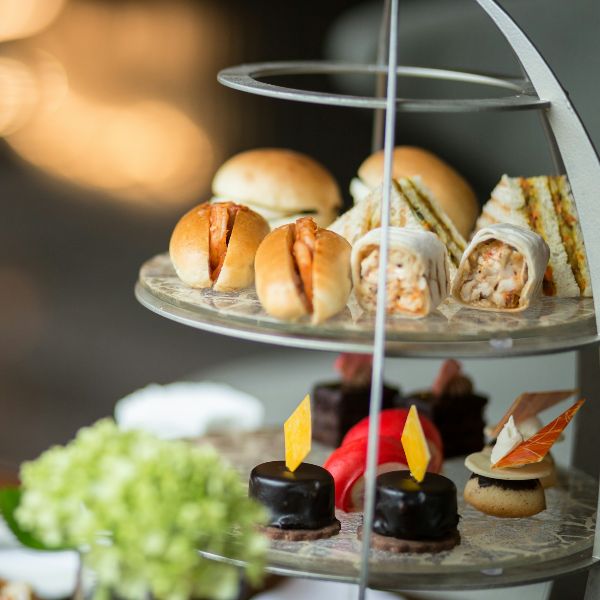
Sri Lankan cuisine also features a rich collection of traditional sweets that are often associated with festivals, celebrations, and family gatherings.
Popular treats include:
These desserts showcase the island's use of coconut, palm treacle, rice flour, and aromatic spices, creating flavors that are both unique and memorable.
🌍 Food as a Gateway to Sri Lankan Culture
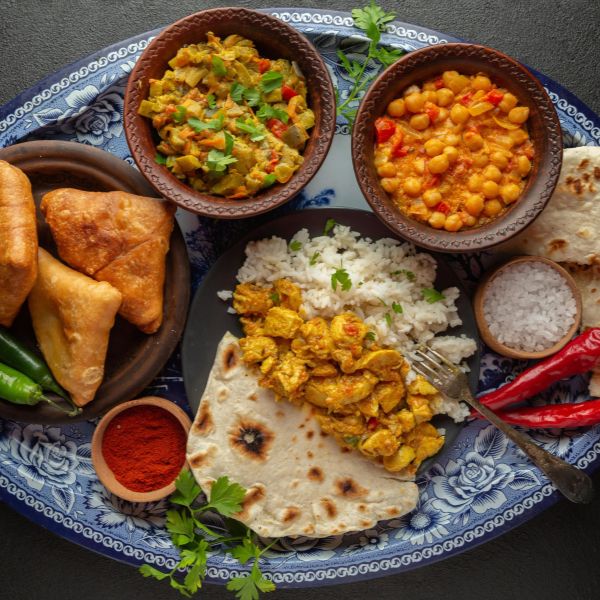
Food in Sri Lanka is much more than nourishment—it is a reflection of the island's history, diversity, and traditions.
Every meal tells a story of cultural influences, regional ingredients, family recipes, and centuries of culinary evolution. Whether sharing a village lunch, enjoying fresh seafood by the ocean, tasting local street food, or sipping tea in the highlands, food creates meaningful connections between travelers and local communities.
🌟 Experience the True Taste of Sri Lanka
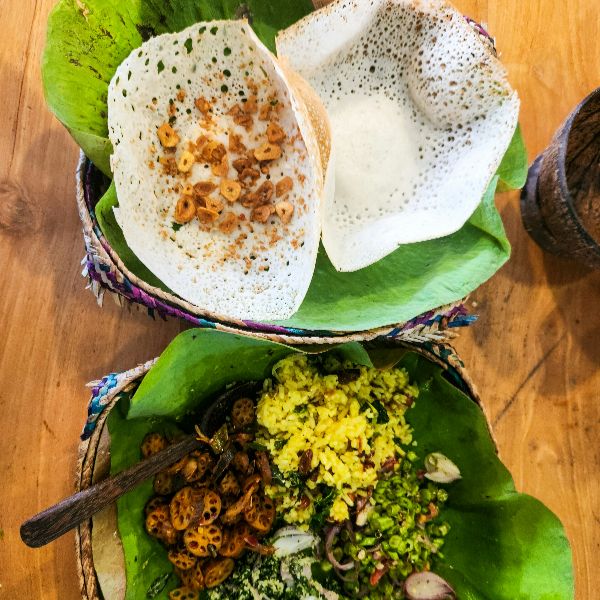
From authentic rice and curry meals and vibrant street food to regional specialties and tea plantation experiences, Sri Lanka offers one of the most diverse and rewarding culinary journeys in Asia.
At WISH Lanka Journeys, we can incorporate authentic food experiences into your personalized itinerary, allowing you to explore Sri Lanka through its flavors, traditions, and local hospitality. Whether you are a passionate food lover or simply curious about local cuisine, discovering Sri Lanka through its food will become one of the highlights of your journey.
🏛️ The Cultural Triangle of Sri Lanka
Exploring the Island's Ancient Heritage
Discover the Heart of Sri Lanka's History and Culture
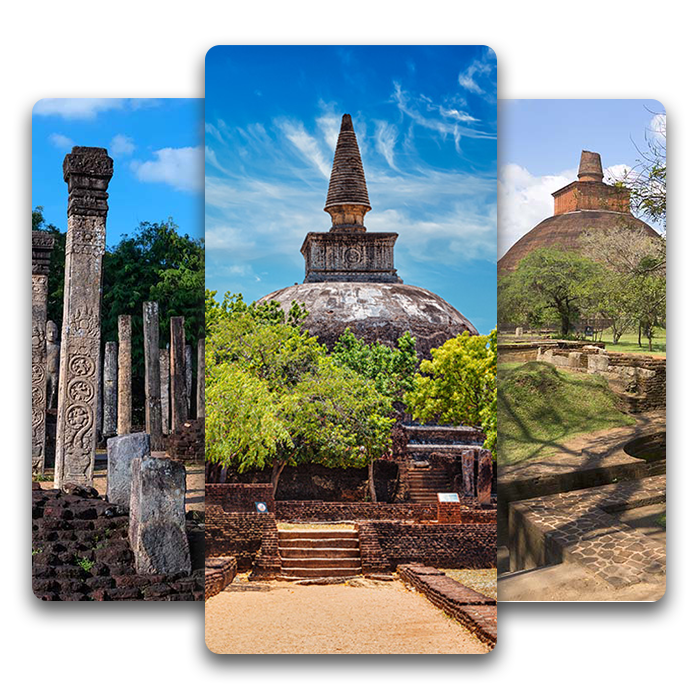
The Cultural Triangle is home to ancient kingdoms, sacred temples, archaeological treasures, and UNESCO World Heritage Sites that reveal over two thousand years of Sri Lankan civilization.
Visitors can explore magnificent ruins, giant stupas, royal palaces, cave temples, and sacred Buddhist sites that continue to attract pilgrims from around the world.
For travelers interested in history, architecture, and spirituality, the Cultural Triangle offers one of Asia's most rewarding cultural journeys.
What is the Cultural Triangle of Sri Lanka?

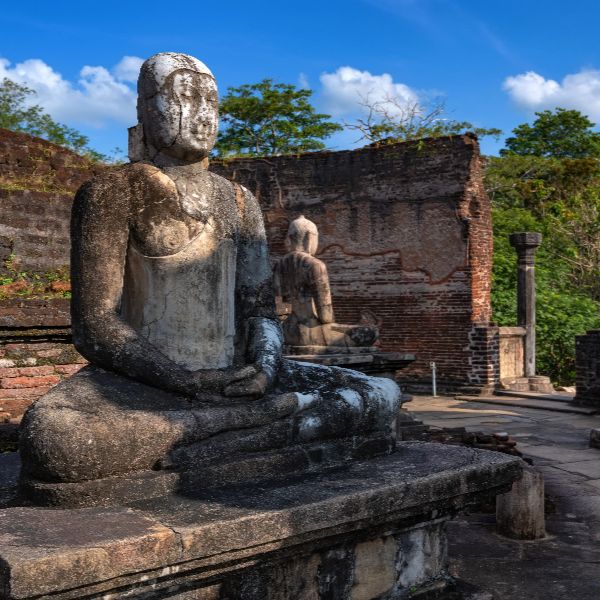
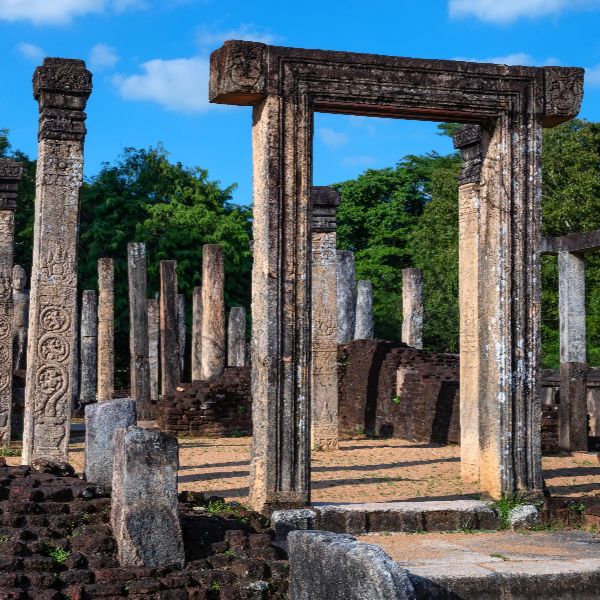
The Cultural Triangle refers to the area formed by the historic cities of Anuradhapura, Polonnaruwa, and Kandy. Within this region lie some of Sri Lanka's most important archaeological and cultural landmarks, many of which have been recognized as UNESCO World Heritage Sites.
The region offers a unique opportunity to explore ancient capitals, royal palaces, Buddhist monasteries, temples, reservoirs, and engineering marvels that have survived for centuries.
🦁 Sigiriya Rock Fortress
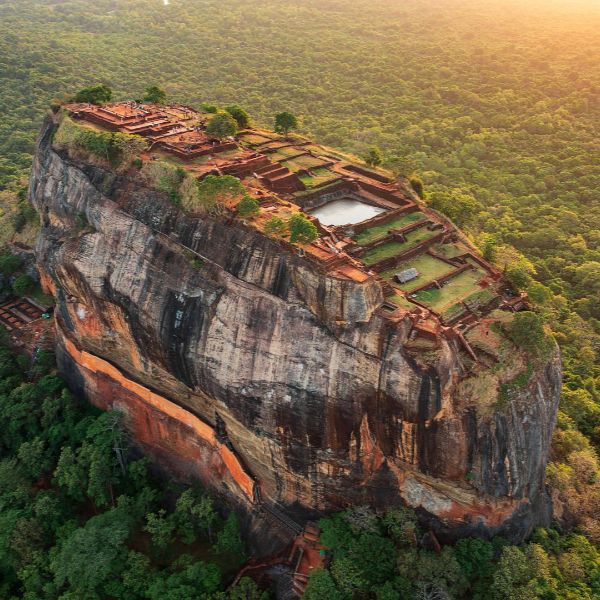

One of the most iconic attractions in Sri Lanka, Sigiriya Rock Fortress rises dramatically from the surrounding plains and is often referred to as the "Eighth Wonder of the World."
Built by King Kashyapa in the 5th century, Sigiriya features royal gardens, ancient frescoes, water gardens, and the remains of a palace perched atop a massive rock formation. Visitors who climb to the summit are rewarded with breathtaking views of the surrounding countryside.
Today, Sigiriya remains one of the most visited attractions in Sri Lanka and a highlight of the Cultural Triangle.
🛕 Dambulla Cave Temple
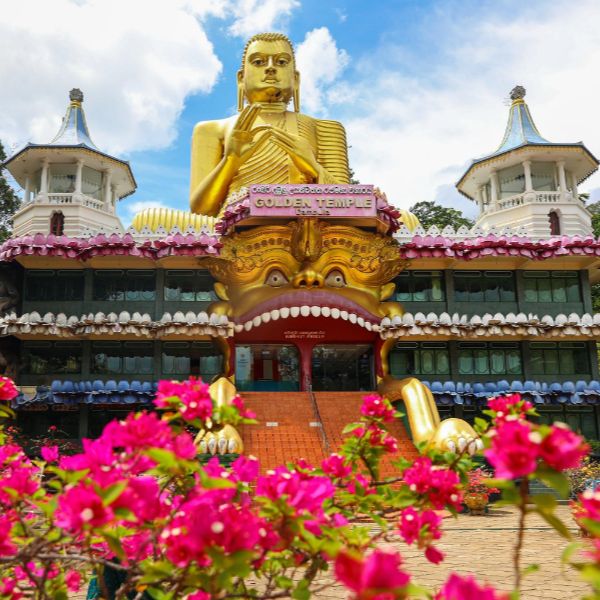
Located near Sigiriya, the Dambulla Cave Temple is the largest and best-preserved cave temple complex in Sri Lanka.
This sacred site contains five caves filled with hundreds of Buddha statues, colorful murals, and centuries of Buddhist artwork. The temple has served as a place of worship for over 2,000 years and remains an important religious center today.
The elevated location also offers spectacular views of the surrounding landscape.
🏺 Anuradhapura – Sri Lanka's First Ancient Capital
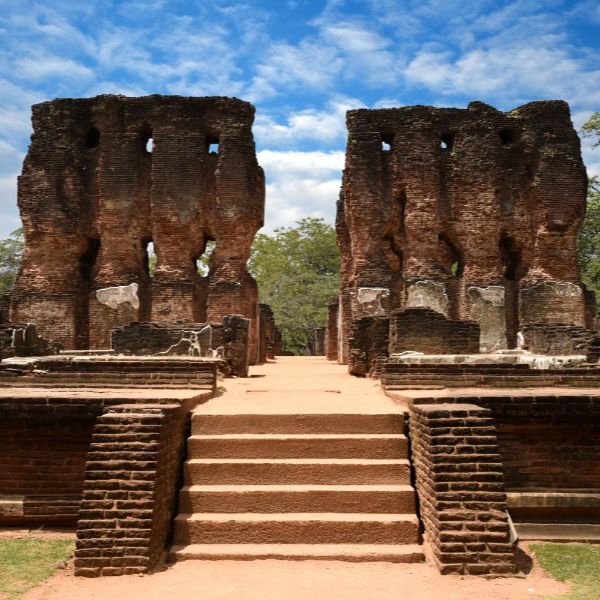
Anuradhapura was the first great capital of Sri Lanka and served as the center of Sinhalese civilization for more than a thousand years.
The city is renowned for its massive stupas, ancient monasteries, irrigation reservoirs, and sacred monuments. It is also home to the Sri Maha Bodhi Tree, believed to be the oldest documented tree in the world with a recorded history.
Exploring Anuradhapura allows visitors to witness the grandeur of one of Asia's oldest continuously inhabited cities.
🏰 Polonnaruwa – The Medieval Kingdom
Following the decline of Anuradhapura, Polonnaruwa became the capital of Sri Lanka and flourished as a center of culture, religion, and administration.
Today, visitors can explore remarkably preserved ruins including royal palaces, audience halls, temples, and the famous Gal Vihara, a masterpiece of Buddhist rock sculpture carved directly into granite.
Polonnaruwa provides an extraordinary glimpse into the island's medieval history and architectural achievements.
🙏 Mihintale – The Birthplace of Buddhism in Sri Lanka
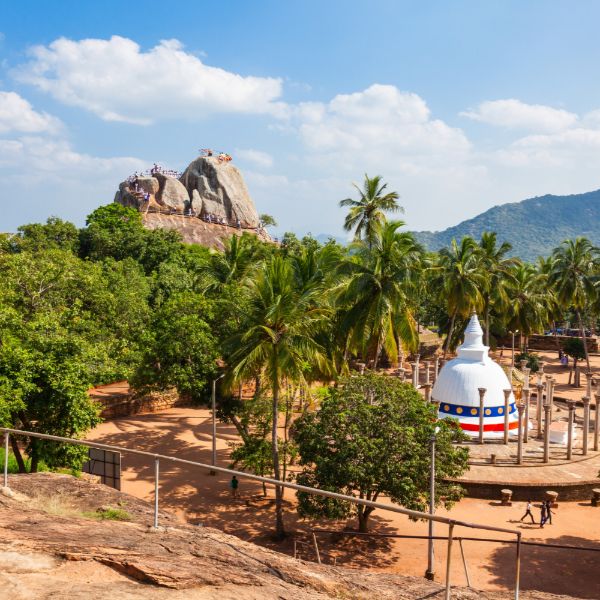
Mihintale holds immense religious significance as the place where Buddhism was first introduced to Sri Lanka during the 3rd century BCE.
The site features ancient monasteries, stupas, meditation caves, and panoramic viewpoints. Pilgrims and visitors alike climb the historic stairway to experience the spiritual atmosphere and stunning scenery.
Mihintale remains one of the most important pilgrimage sites in the country.
🌿 Ancient Engineering and Irrigation Wonders
The Cultural Triangle is not only famous for temples and palaces but also for its remarkable ancient engineering.
Centuries ago, Sri Lankan kings constructed sophisticated reservoirs, canals, and irrigation systems that transformed dry landscapes into thriving agricultural regions. Many of these impressive structures continue to function today, demonstrating the advanced knowledge of ancient Sri Lankan civilization.
🐘 Wildlife Experiences Near the Cultural Triangle
The Cultural Triangle is surrounded by some of Sri Lanka's most famous wildlife destinations.
National parks in the region provide opportunities to encounter wild elephants, deer, monkeys, crocodiles, and a wide variety of bird species. The area is particularly famous for the annual Elephant Gathering, one of the largest gatherings of wild Asian elephants in the world.
Combining history and wildlife makes the Cultural Triangle a truly unique travel destination.
☀️ Best Time to Visit the Cultural Triangle
The Cultural Triangle can be visited throughout the year, but the most comfortable period for sightseeing is generally between December and April.
During these months, visitors can enjoy warm temperatures, lower rainfall, and ideal conditions for exploring archaeological sites and outdoor attractions.
Early morning and late afternoon visits are recommended to avoid the midday heat and enjoy the best photography opportunities.
🚐 Exploring the Cultural Triangle with WISH Lanka Journeys
The Cultural Triangle contains numerous historical sites spread across a large area, making transportation and planning important parts of the experience.
At WISH Lanka Journeys, we offer customized tours of Sri Lanka's Cultural Triangle, allowing travelers to explore ancient cities, sacred temples, and iconic landmarks comfortably and efficiently. Our private tours can be tailored to your interests, whether you wish to focus on history, culture, photography, spirituality, or wildlife experiences.
🌟 A Journey Through Sri Lanka's Ancient Past
The Cultural Triangle of Sri Lanka is more than a collection of historic sites—it is the living heart of the island's civilization. From the towering rock fortress of Sigiriya and the sacred caves of Dambulla to the ancient capitals of Anuradhapura and Polonnaruwa, every destination tells a story that has shaped Sri Lanka for centuries.
For travelers seeking to discover the island's rich heritage, remarkable architecture, and spiritual traditions, the Cultural Triangle offers one of the most rewarding and unforgettable experiences in Sri Lanka.
🌊 The East Coast of Sri Lanka
A Serene Coastal Escape
Discover Sri Lanka's Untouched Coastal Beauty
The east coast of Sri Lanka is a hidden paradise blessed with pristine beaches, crystal-clear waters, vibrant marine life, and a relaxed tropical atmosphere.
From Trincomalee's famous natural harbor to the surfing haven of Arugam Bay, the region offers a unique blend of culture, adventure, and coastal beauty.
With snorkeling, diving, whale watching, and tranquil beaches, the east coast remains one of Sri Lanka's most rewarding travel destinations.

🌴 Untouched Natural Beauty
The east coast of Sri Lanka is known for its peaceful, unspoiled landscapes. Long stretches of golden sand, open horizons, and minimal development create a raw and natural coastal environment. It is one of the few regions where the island still feels truly calm and untouched.
🌊 Calm Seas and Coastal Relaxation
One of the main highlights of the east coast is its calm and warm waters during the seasonal months. The sea is gentle and inviting, making it ideal for swimming, relaxing, and enjoying long peaceful walks along the shore.
🏄 Water Sports and Ocean Activities
The region is also popular for ocean-based activities such as surfing, snorkeling, and diving. The waves during the surf season attract adventure seekers, while the clear waters offer opportunities to explore marine life and coral ecosystems.
🌅 Best Travel Period
The best time to visit the east coast of Sri Lanka is from May to September. During this period, the weather is dry, sunny, and ideal for beach activities. The sea is calm and clear, making it perfect for swimming, surfing, and coastal exploration. This seasonal window is when the east coast is at its most beautiful and vibrant.
🎭 Cultural Diversity and Local Life
The east coast is home to a rich mix of cultures and traditions. Coastal communities live in harmony with the sea, and visitors can experience authentic local lifestyles, fresh seafood culture, and warm hospitality.
🌞 A Peaceful Travel Destination
Overall, the east coast is a perfect destination for those seeking peace, space, and natural beauty. It offers a refreshing escape from busy city life, where travelers can enjoy quiet beaches, open skies, and a deep sense of relaxation.
🌟 Best East Coast Destinations
Explore the most beautiful places along the eastern shore:
🏖️ Trincomalee
Famous for its natural harbour, pristine beaches, and the sacred Koneswaram Temple.
🐬 Pasikudah
Known for its shallow, calm waters and excellent snorkeling & diving spots.
🏄 Arugam Bay
A world‑renowned surf destination with a laid‑back vibe and golden beaches.
🐢 Kalkudah
Quiet, scenic coastline with clear waters — perfect for relaxing getaways.
🌴 Batticaloa
A cultural hub with lagoons, colonial forts, and vibrant local life.
🏝️ Nilaveli
Pristine white‑sand beach, ideal for swimming and boat trips to nearby islands.
Best East Coast Destinations
🌴 The South Coast of Sri Lanka
A Tropical Paradise
Experience Sri Lanka's Most Famous Coastline
The south coast combines golden beaches, colonial heritage, vibrant fishing communities, luxury resorts, and some of the island's finest ocean views.
Travelers can enjoy surfing, whale watching, turtle conservation projects, historic landmarks, and lively beachside culture.
Whether seeking relaxation or adventure, the south coast offers unforgettable experiences throughout the year.
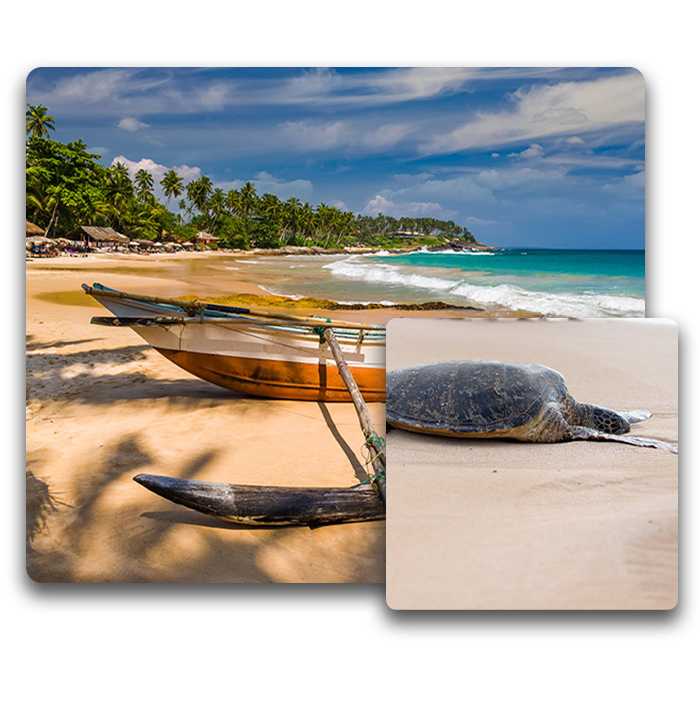
🌊 Golden Beaches and Coastal Beauty
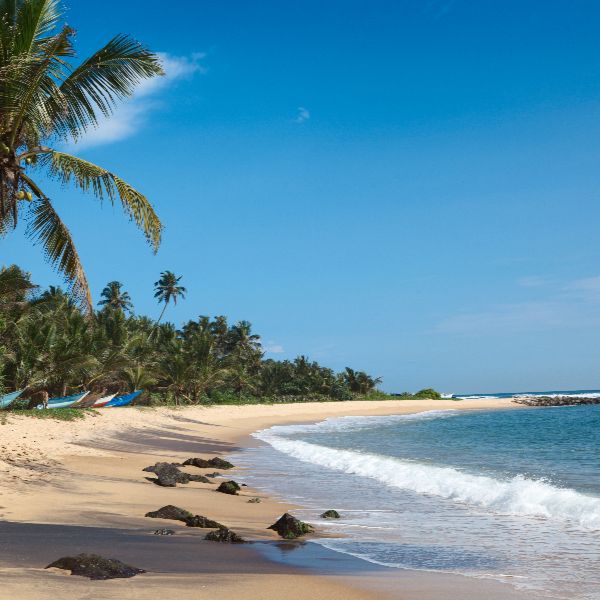
The southern coastline is famous for its long stretches of golden sand, swaying palm trees, and crystal-clear waters. Each beach has its own unique charm, offering something different for every type of traveler.
Popular beach destinations include Unawatuna, Mirissa, Weligama, Hikkaduwa, Tangalle, and Hiriketiya. These coastal towns are known for their relaxed atmosphere, stunning sunsets, and warm Indian Ocean waves.
Whether you want to sunbathe on quiet shores or enjoy lively beach cafés, the south coast offers a perfect blend of serenity and energy.
🏄 Surfing and Ocean Adventures
The south coast is one of the best surfing regions in Sri Lanka, attracting beginners and experienced surfers from around the world.
- 🏄 Weligama – ideal for beginners with gentle, consistent waves
- 🏄 Midigama and Ahangama – offer more advanced surf breaks
- 🏄 Arugam Bay (further east but part of surf culture) – world-famous for seasonal surfing competitions
Beyond surfing, travelers can enjoy snorkeling, diving, paddleboarding, and boat rides along the coastline.
🐋 Whale Watching and Marine Life
Mirissa is one of the most famous whale watching destinations in the world. From November to April, visitors have the chance to see blue whales—the largest animals on Earth—along with sperm whales and dolphins in their natural ocean habitat.
The waters along the south coast are also rich in marine biodiversity, making it a paradise for ocean lovers and nature enthusiasts.
🏰 Culture, Heritage, and Coastal Towns
The south coast is not only about beaches—it is also deeply cultural and historical.
The Galle Fort, a UNESCO World Heritage Site, stands as a symbol of colonial history with its cobblestone streets, ancient walls, boutique cafés, and ocean views. Walking through Galle feels like stepping back in time while still enjoying modern coastal life.
Smaller fishing villages along the coast offer an authentic glimpse into traditional Sri Lankan coastal living, where colorful boats, fish markets, and friendly locals create a lively atmosphere.
🌅 Sunsets and Relaxed Coastal Living
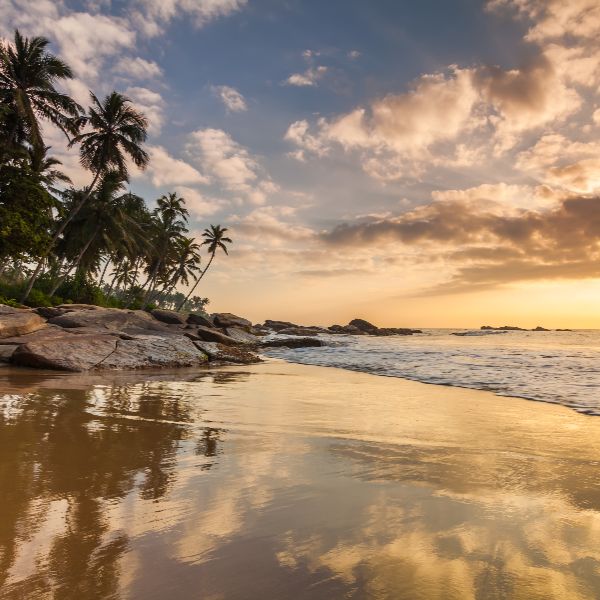
One of the most unforgettable experiences on the south coast is the sunset. As the sun dips into the Indian Ocean, the sky transforms into shades of orange, pink, and gold, creating a magical view across the horizon.
Beach cafés, rooftop restaurants, and quiet shorelines provide the perfect setting to unwind and enjoy the natural beauty of the island.
🌺 A Perfect Blend of Nature and Adventure
The south coast of Sri Lanka is a destination that beautifully combines relaxation, adventure, and cultural discovery. From surfing and whale watching to exploring historic towns and enjoying peaceful beaches, every moment along this coastline feels special.
It is a place where the ocean meets culture, and every wave carries the spirit of island life.
🌟 Best South Coast Destinations of Sri Lanka
Discover the most beautiful places along the southern shore:
🏖️ Unawatuna
A crescent-shaped beach with calm waters, coral reefs, and a lively social scene.
🐬 Mirissa
Famous for whale watching, golden sands, and vibrant beach bars.
🏄 Weligama
Perfect for beginner surfers with its gentle waves and relaxed vibe.
🐠 Hikkaduwa
Known for its coral reefs, snorkeling, diving, and lively nightlife.
🌴 Tangalle
Untouched beaches, quiet coves, and a peaceful atmosphere for relaxation.
🏝️ Hiriketiya
A hidden gem with a natural bay, perfect for swimming and surfing.
Best South Coast Destinations of Sri Lanka
🚆 Sri Lanka Train Travel Guide
One of the Most Scenic Train Journeys in the World
Experience the Magic of Train Travel in Sri Lanka
Train travel in Sri Lanka is more than transportation—it is one of the country's most unforgettable travel experiences.
Routes wind through tea plantations, waterfalls, mountain valleys, forests, and charming villages, offering breathtaking scenery at every turn.
For photographers, nature lovers, and adventurers, a journey through Sri Lanka's hill country is an essential part of any itinerary.
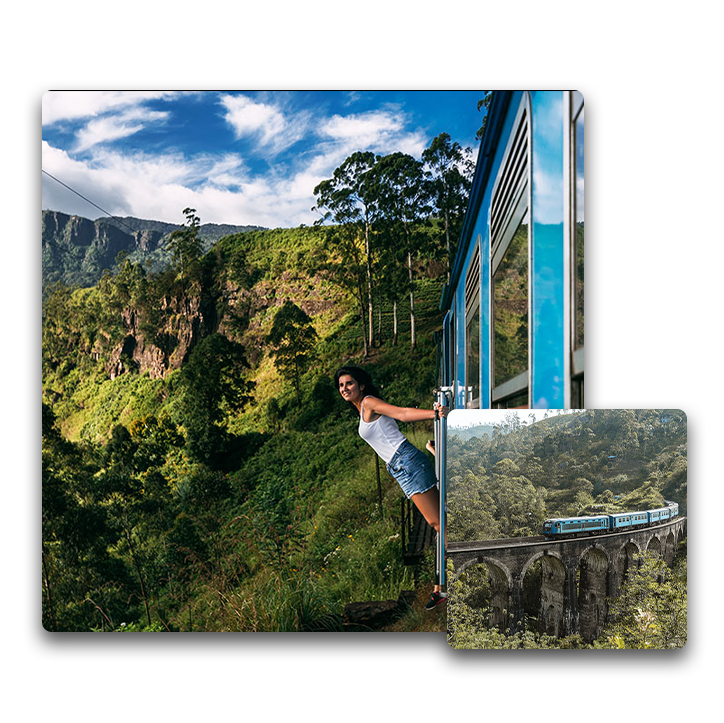
Why Train Travel in Sri Lanka is So Special
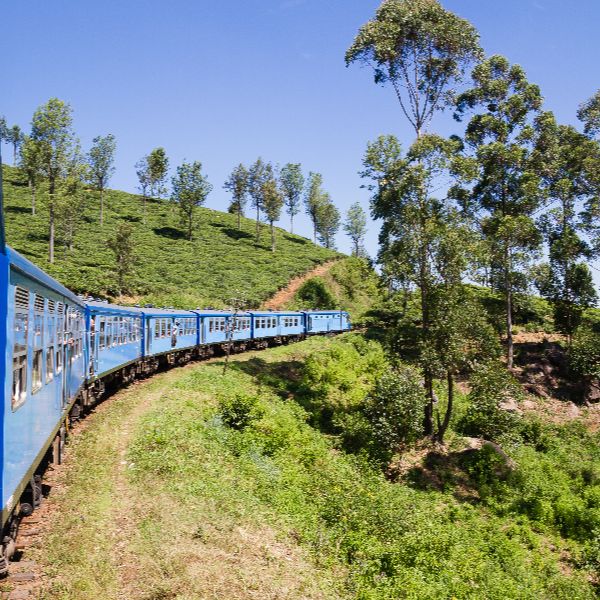
Originally built during the colonial era to transport tea from the central highlands to coastal ports, Sri Lanka's railway system has evolved into one of the world's most celebrated travel experiences.
Highlights of Sri Lanka Train Travel
Many travelers consider Sri Lanka's railway journeys among the most scenic train rides in the world, offering a perfect blend of natural beauty and local culture.
🌄 The World-Famous Kandy to Ella Train Journey
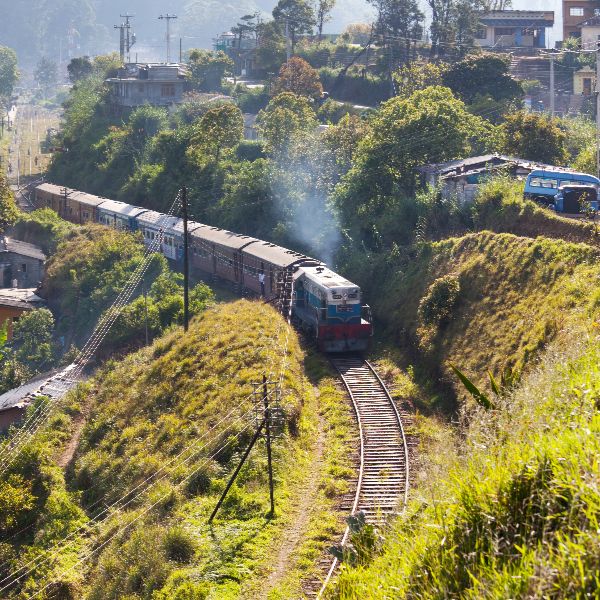
The train journey between Kandy and Ella is the most popular railway route in Sri Lanka and frequently ranks among the world's greatest train rides.
As the train climbs from the cultural city of Kandy into the island's central highlands, the scenery changes dramatically. Rolling tea plantations cover the hillsides, waterfalls cascade through lush valleys, and cool mountain air flows through open windows.
The journey typically takes between 6 and 7 hours, but every moment is filled with stunning views and unforgettable experiences.
Popular Stops Along the Route
- Kandy
- Nanu Oya (Gateway to Nuwara Eliya)
- Haputale
- Ella
Each stop offers its own unique charm and provides opportunities to explore Sri Lanka's beautiful hill country.
🌿 Tea Country and Highland Landscapes

One of the greatest attractions of Sri Lanka's railway journeys is the opportunity to travel through the heart of the country's famous tea-growing region.
The central highlands are covered with emerald-green tea estates stretching across rolling hills and mountain slopes. Travelers can witness tea pluckers at work, historic tea factories, and some of the most picturesque landscapes found anywhere in Asia.
The peaceful rhythm of the train allows visitors to fully appreciate the beauty of Sri Lanka's hill country.
🌉 The Iconic Nine Arches Bridge
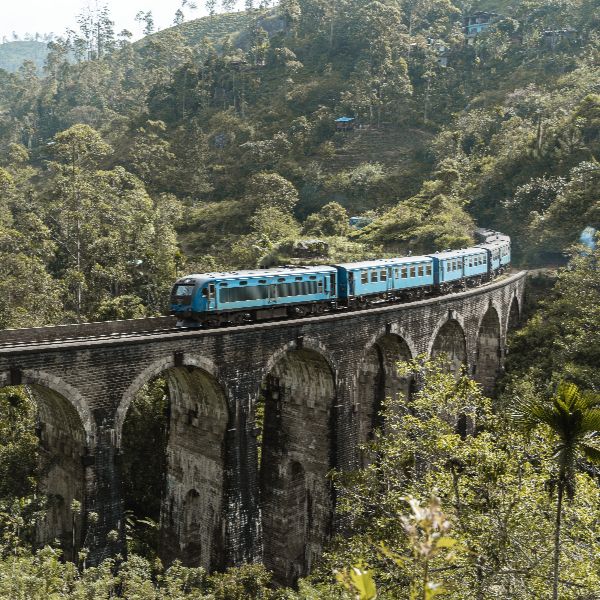
Located near Ella, the famous Nine Arches Bridge is one of Sri Lanka's most photographed landmarks.
Built entirely of stone, brick, and cement during the colonial period, this engineering masterpiece sits amidst dense jungle and tea plantations. Watching a train slowly cross the bridge has become a must-see experience for visitors exploring the hill country.
For many travelers, this iconic location represents the beauty and romance of train travel in Sri Lanka.
🌄 Misty Mountains, Waterfalls, and Valley Views

Sri Lanka's hill country offers spectacular natural scenery throughout the journey.
Passengers can enjoy:
These ever-changing landscapes create a dreamlike atmosphere that makes every train journey unique.
🌊 Coastal Railway Adventures
While the hill country routes receive most of the attention, Sri Lanka's coastal railway journeys are equally rewarding.
The Colombo to Galle railway line runs alongside the Indian Ocean for much of the journey, offering breathtaking sea views, palm-lined beaches, fishing villages, and stunning sunsets.
This route provides a completely different perspective of Sri Lanka's natural beauty and coastal culture.
🎭 A Cultural Journey Through the Island
Train travel in Sri Lanka is also a cultural experience.
Passengers share carriages with locals, families, students, and fellow travelers, creating a friendly and welcoming atmosphere. Vendors often walk through the trains selling tea, snacks, fruits, and local treats, adding authenticity to the experience.
These small interactions provide visitors with a genuine glimpse into everyday life in Sri Lanka.
🚉 Train Classes in Sri Lanka
First Class
- ✔ Reserved seating
- ✔ Air-conditioned options on selected routes
- ✔ Comfortable travel experience
Second Class
- ✔ Reserved and unreserved seating
- ✔ Large open windows
- ✔ Excellent photography opportunities
- ✔ Popular choice among international travelers
Third Class
- ✔ Most economical option
- ✔ Authentic local experience
- ✔ Can become crowded during peak periods
Many visitors prefer reserved second-class seats, offering the perfect balance between comfort, scenery, and value.
☀️ Best Time for Train Travel in Sri Lanka
Train journeys operate throughout the year, but the hill country is particularly beautiful during the drier months.
Recommended Travel Period: December to April
During this period, skies are generally clearer, mountain views are at their best, and the weather is ideal for exploring destinations such as Kandy, Nuwara Eliya, Haputale, and Ella.
💡 Travel Tips for Your Train Journey
- Reserve tickets well in advance during peak seasons
- Arrive early at the station
- Carry a camera for photographs
- Bring water and snacks for longer journeys
- Keep valuables secure
- Choose daytime departures for the best views
🎫 Train Ticket Reservations Made Easy
Sri Lanka's most popular train routes, particularly the Kandy to Ella journey, often sell out well in advance. Reserved seats, especially observation saloon seats, can be difficult to obtain during busy travel periods.
✨ WISH Lanka Journeys Ticket Reservation Service
At WISH Lanka Journeys Pvt. Ltd., we help travelers secure train tickets quickly and conveniently.
- ✔ Train ticket reservations upon request
- ✔ Assistance for popular scenic routes
- ✔ Reserved seating and observation saloon options
- ✔ Support for both local and international travelers
- ✔ Hassle-free planning as part of your Sri Lanka holiday
Our team can seamlessly incorporate scenic train journeys into your personalized itinerary, allowing you to enjoy the experience without worrying about ticket availability.
🌟 An Unforgettable Experience in Sri Lanka
Few travel experiences capture the beauty of Sri Lanka quite like a train journey through its spectacular landscapes. From emerald tea plantations and misty mountains to historic railway stations and cultural encounters, train travel offers a truly authentic way to explore the island.
Whether it is your first visit or a return journey, Sri Lanka's railway adventures create memories that last a lifetime.
With scenic landscapes, cultural encounters, and dedicated ticket reservation assistance from WISH Lanka Journeys, your train journey becomes more than transportation—it becomes one of the highlights of your Sri Lankan adventure.
🐋 Sri Lanka Whale Watching Guide
Encounter the Giants of the Ocean
Discover One of the World's Best Whale Watching Destinations
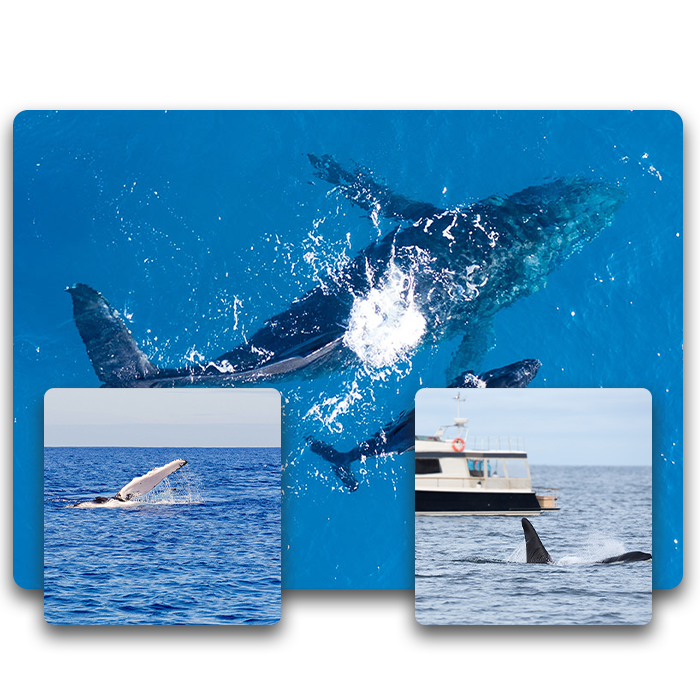
Sri Lanka is one of the few places on Earth where visitors can witness the world's largest mammals in their natural habitat.
The surrounding Indian Ocean provides ideal conditions for observing blue whales, sperm whales, dolphins, and many other marine species.
Whether you are a wildlife enthusiast, photographer, or first-time visitor, whale watching offers a truly unforgettable experience.
Why Whale Watching in Sri Lanka is So Special

Sri Lanka's unique location along major migratory routes makes it one of the best places in the world to observe whales throughout the year.
Highlights of whale watching in Sri Lanka include:
Few destinations offer such close and reliable encounters with these magnificent marine giants.
The Most Famous Whale Watching Destination: Mirissa
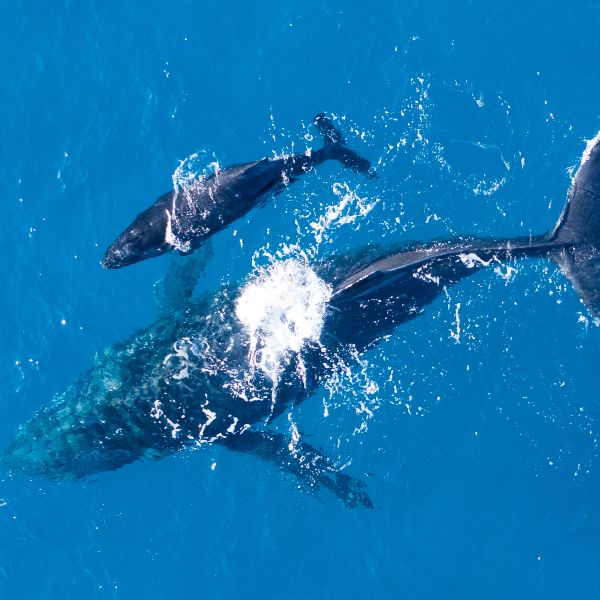
Located on Sri Lanka's southern coast, Mirissa is the country's most popular whale watching destination and attracts visitors from around the world.
The waters off Mirissa are known for frequent sightings of:
Most whale watching tours depart early in the morning and last between 3 to 5 hours, depending on sea conditions and wildlife activity.
Mirissa offers one of the highest chances of spotting blue whales anywhere in the world.
Must-See Marine Wildlife
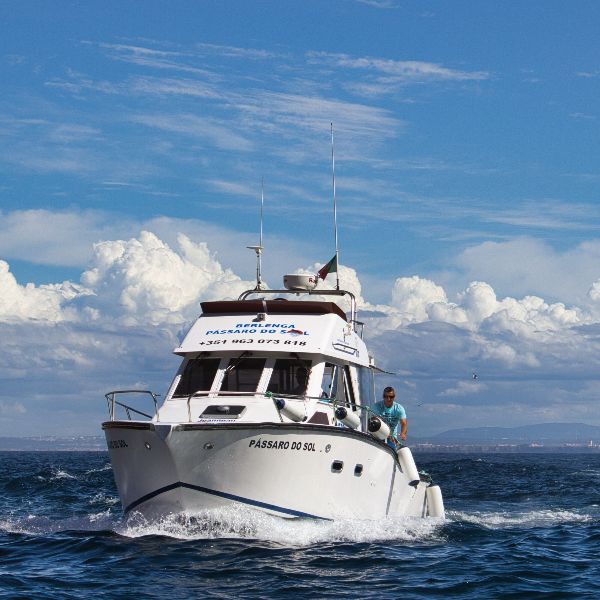
🐋 Blue Whales
The blue whale is the largest animal ever known to have lived on Earth. Seeing one emerge from the ocean is a truly breathtaking experience.
Visitors often witness:
- Powerful water spouts
- Massive tail flukes
- Surface feeding behavior
- Close encounters in open waters
🐋 Sperm Whales
These deep-diving giants are famous for their large square-shaped heads and remarkable diving abilities.
Sperm whales are often seen traveling in groups and can sometimes be spotted alongside blue whales.
🐬 Dolphins
Large pods of spinner dolphins frequently accompany whale watching boats.
Travelers can enjoy:
- Acrobatic jumps
- Spinning displays
- High-speed swimming alongside vessels
🐢 Sea Turtles and Other Marine Life
Depending on the season, visitors may also encounter:
- Sea turtles
- Flying fish
- Tuna
- Seabirds
- Occasional whale sharks
Best Whale Watching Locations in Sri Lanka

🌊 Mirissa
- ✔ Most popular whale watching destination
- ✔ Excellent blue whale sightings
- ✔ Easy access from the South Coast
🌊 Trincomalee
- ✔ Located on the East Coast
- ✔ Calm ocean conditions during the eastern season
- ✔ Excellent opportunities for blue whale sightings
🌊 Kalpitiya
- ✔ Famous for dolphin watching
- ✔ Seasonal whale sightings
- ✔ Rich marine biodiversity
Many travelers combine whale watching with beach holidays and coastal sightseeing.
Best Time for Whale Watching in Sri Lanka
South Coast (Mirissa)
- November to April
- Calm seas and excellent visibility
- Peak season for whale watching
East Coast (Trincomalee)
- May to September
- Ideal weather conditions
- Excellent whale and dolphin sightings
Sri Lanka's two monsoon seasons make it possible to enjoy whale watching somewhere around the island for much of the year.
💡 Travel Tips for Your Whale Watching Tour
- ✔ Choose a reputable and responsible tour operator.
- ✔ Book early during peak tourist seasons.
- ✔ Carry sunscreen, sunglasses, and a hat.
- ✔ Bring a camera with a zoom lens.
- ✔ Take motion sickness medication if required.
- ✔ Wear light, comfortable clothing.
- ✔ Follow crew instructions and respect marine wildlife.
Responsible whale watching helps protect these incredible animals for future generations.
🌟 An Unforgettable Wildlife Experience in Sri Lanka
Whale watching is one of the most extraordinary experiences Sri Lanka has to offer. From encounters with majestic blue whales and playful dolphins to breathtaking ocean views and unforgettable moments at sea, it is an adventure that leaves a lasting impression on every traveler.
Whether you are exploring the beaches of Mirissa, the waters of Trincomalee, or the marine-rich coastline of Kalpitiya, whale watching offers a rare opportunity to connect with some of the planet's most magnificent creatures.
✨ At WISH Lanka Journeys
We can help you include the best whale watching experiences in Sri Lanka as part of your customized holiday itinerary, ensuring an unforgettable adventure on the Indian Ocean.
🐘 Wildlife & Safari Guide in Sri Lanka
🌿 A Rich Biodiversity Hotspot
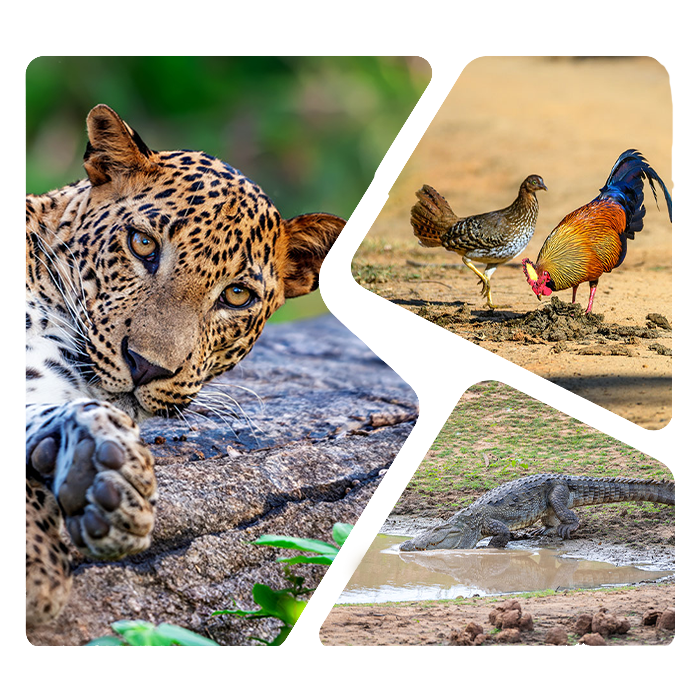
Sri Lanka is a breathtaking island where wildlife thrives across rainforests, grasslands, wetlands, mountains, and protected national parks.
Despite its small size, the country is recognized as one of the world's biodiversity hotspots and is home to elephants, leopards, sloth bears, crocodiles, and hundreds of bird species.
From exciting jeep safaris to birdwatching adventures, Sri Lanka offers extraordinary wildlife encounters for every nature lover.
🐘 Majestic Elephants and the Great Gathering
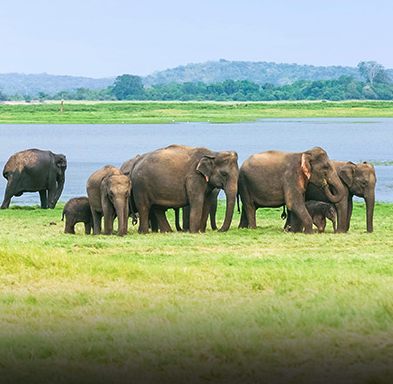
The island is most famous for its majestic elephants, commonly seen in large herds across Udawalawe, Minneriya, and Kaudulla National Parks.
One of the most remarkable natural events is the “Elephant Gathering,” where hundreds of elephants come together near reservoirs during dry seasons. This creates one of the most spectacular wildlife scenes in the world and a truly unforgettable natural phenomenon.
🐆 The Elusive Sri Lankan Leopard
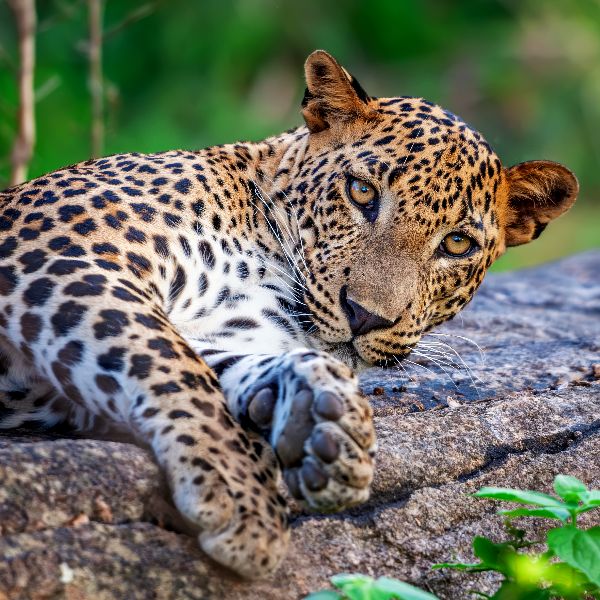
Alongside elephants, Sri Lanka is home to the Sri Lankan leopard, one of the rarest and most elegant big cats on the planet.
These powerful predators move silently through the dense forests of Yala and Wilpattu National Parks, making Sri Lanka one of the best destinations in the world to observe leopards in their natural habitat.
🦌 Mammals of the Forest and Plains
Sri Lanka’s ecosystems support a wide range of mammals including:
Each species plays an important role in maintaining the balance of Sri Lanka’s ecosystems, from dry zone scrublands to evergreen forests.
🐦 A Paradise for Bird Enthusiasts
Sri Lanka is also a haven for bird lovers, with over 400 recorded species.
The island is home to vibrant peacocks, hornbills, kingfishers, eagles, and woodpeckers, along with many migratory birds that arrive during seasonal changes. Forests, wetlands, and national parks provide safe habitats for breeding, feeding, and nesting.
🌳 A Living Natural Sanctuary
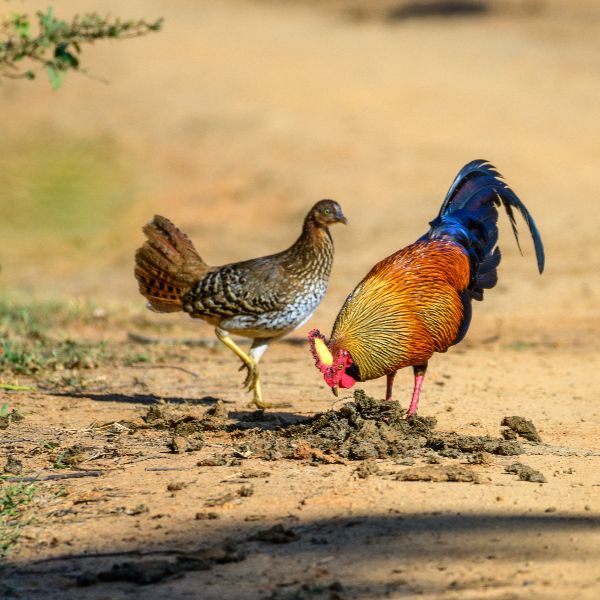
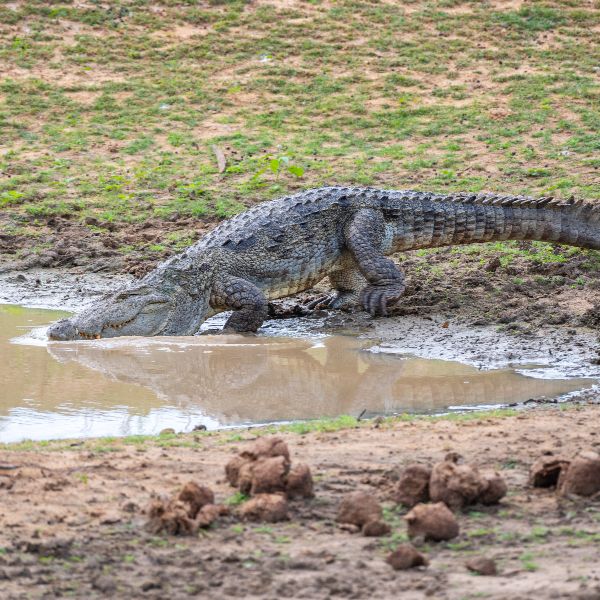
From ancient forests to protected wilderness zones, Sri Lanka offers an unmatched wildlife experience. It is a place where nature remains deeply alive, untouched in many regions, and beautifully diverse.
Sri Lanka stands as one of the most remarkable wildlife destinations in the world, where every landscape tells a story of survival, balance, and natural beauty.
🚙 Private Jeep Safari Experiences
To make your wildlife adventure even more memorable, we arrange private jeep safaris to Sri Lanka’s top national parks.
Our safari experiences are designed for comfort, flexibility, and the best chance to witness wildlife in its natural habitat. Whether it is elephants in Minneriya, leopards in Yala, or birdlife in Wilpattu, our guided safaris ensure a safe and unforgettable journey into the wild.
🌟 Best Wildlife Destinations in Sri Lanka
Discover the most incredible national parks for wildlife encounters:
🐘 Yala National Park
Highest density of leopards in the world; also home to elephants, sloth bears, and diverse birdlife.
🐘 Udawalawe National Park
Famous for large herds of elephants; excellent for day-long safaris with guaranteed sightings.
🐘 Minneriya National Park
Home to the spectacular “Elephant Gathering” during the dry season (July–October).
🐆 Wilpattu National Park
Largest national park in Sri Lanka; known for leopards, sloth bears, and tranquil lakes.
🦜 Bundala National Park
A paradise for birdwatchers – migratory flamingos, painted storks, and waterbirds.
🌿 Kaudulla National Park
Another great site for elephants and seasonal gatherings, close to Minneriya.